
Extraction from Sand and Coastal Access Zones
OSV Beach Recovery in Willards for vehicles stuck in soft sand, tidal zones, and off-road beach driving areas
Coastal areas near Willards include designated Over-Sand Vehicle access zones where drivers encounter soft sand pockets, tidal washouts, and unmarked transitions from packed to loose terrain that can trap even four-wheel-drive trucks within minutes. Delmarva Roadside Services Inc. provides OSV beach recovery using equipment specifically designed for unstable ground that prevents traditional tow trucks from operating safely. The service addresses vehicles that have sunk to the axles after attempting to cross dry sand at low tide, trucks caught in washout channels hidden beneath surface sand, and SUVs stuck where beach access ramps transition from firm gravel to deep powder.
Beach recovery uses wide flotation tires and weight distribution systems that allow the recovery vehicle to operate on surfaces that would cause standard trucks to sink. Extraction planning considers tide schedules, since rising water both lubricates sand for easier pulling and creates urgency before saltwater reaches the vehicle's interior and mechanical components. Winching angles are calculated to pull the stuck vehicle toward firmer ground rather than deeper into the soft zone where it initially became trapped.
Call for beach recovery service with details about your vehicle's location relative to access ramps and current tide conditions.
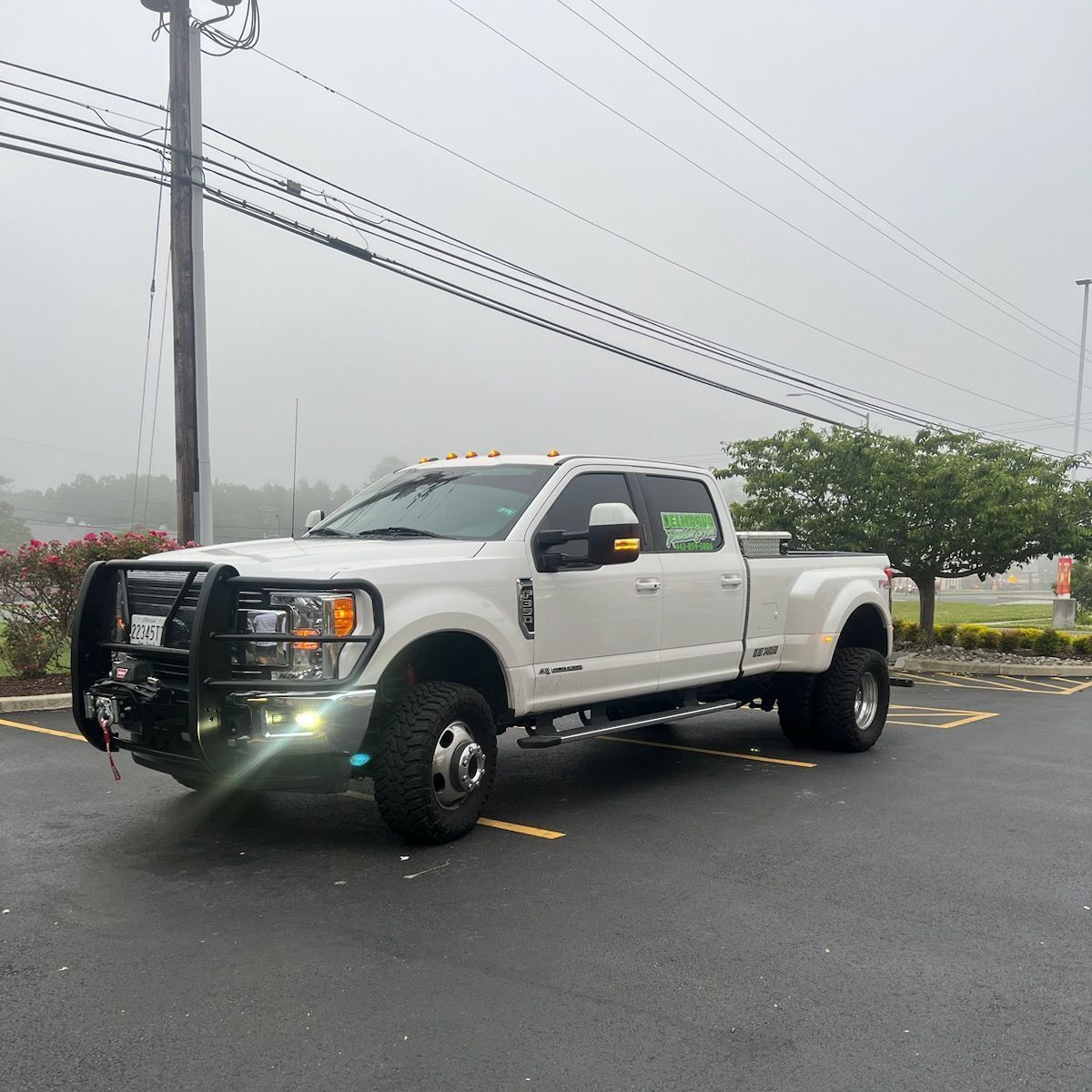
What Beach Extraction Actually Accomplishes
Recovery begins with assessment of how deeply the tires have sunk and whether the frame or undercarriage is resting on sand, which determines the extraction method and equipment needed. Air is often released from the stuck vehicle's tires to increase their surface contact area, creating temporary flotation that reduces sinking during the pull. Traction mats may be positioned under the drive wheels to provide a temporary firm surface, while the winch cable is anchored to the recovery vehicle positioned on stable ground upslope from the stuck vehicle.
After extraction, your vehicle sits on packed sand or the access ramp rather than in the depression where it was trapped, with tires re-inflated to normal pressure for safe highway driving. The undercarriage is checked for sand intrusion into brake components or drivetrain openings, and you're advised if saltwater exposure requires mechanical inspection before extended driving. You avoid the compounding problem of multiple stuck vehicles that occurs when friends attempt recovery without proper equipment, creating a scene that requires extracting two or three trucks instead of one.
The service operates year-round but sees increased demand during summer months when beach traffic peaks and afternoon heat softens sand that was firm during cooler morning hours. Nighttime recoveries require additional coordination due to limited visibility of terrain features and tide markers that guide safe positioning.
Answers to Frequent Service Questions
Beach drivers encountering sand traps have specific concerns about extraction methods and vehicle safety during recovery.
What should I do while waiting for beach recovery?
Stop attempting to drive out, as spinning tires dig deeper into sand and generate heat that can damage differentials and transmissions in four-wheel-drive systems.
How do you avoid getting the recovery vehicle stuck?
Recovery trucks use flotation tires with twice the surface area of standard tires and maintain constant motion rather than stopping on soft ground, distributing weight across a moving footprint.
Can recovery happen during high tide?
Extraction is possible during rising tide but becomes more urgent, as saltwater intrusion into the engine or electrical system creates secondary damage beyond being stuck.
Will my vehicle be damaged during the pull?
Properly positioned winch anchors attach to frame-mounted tow points rather than bumpers or suspension components, and controlled pulling avoids the jerking motion that stresses drivetrain parts.
Why do beach vehicles get stuck even with four-wheel drive?
Four-wheel drive provides power to all wheels but doesn't prevent sinking when tire pressure is too high for the sand density or when drivers stop moving in soft zones where momentum was maintaining flotation.
Delmarva Roadside Services inc. monitors beach access areas and responds to extraction requests with equipment rated for coastal terrain and tidal conditions. Reach out to (443) 212-8352 immediately when stuck, providing your location relative to the nearest access ramp and whether tide is incoming or outgoing.